Water Softeners ~ Reverse Osmosis ~ Iron Filters ~ Whole House Filtration
Residential Water Treatment Systems
Whether you have city water or well water, the benefits of treating your water are enormous. You can have a water supply that tastes great, and is free from harmful chemicals and heavy metals.
See Our Systems
Home Water Treatment
- Cleaner, softer clothes and towels
- More luxurious, foaming baths
- Extended life for appliances, faucets and pipes
- Clearer, taste and odor-free ice cubes
These are just a few of the benefits of having your water treated. Worried about cost? A superior Range Water Conditioning treatment system will pay for itself.
- Your water heater will become more efficient
- You won't need harsh detergents to wash clothes
- You'll use less shampoo and soap
- You'll have cleaner, clearer water for drinking and cooking
Before you know it, you'll be enjoying the financial, hygienic and aesthetic benefits of treated water.
Our Systems
Water Softeners
Say goodbye to nasty water spots and broken appliances with our reliable water softening and filtration systems.
Water SoftenersReverse Osmosis
Reverse osmosis filtration systems take contaminated water and turn it into fresh, clean water, blocking 99.9% of contaminants.
Reverse OsmosisIron Filtration
Iron Filtration Systems remove iron as well as manganese and sulfur. This means no more rotten egg smell or rust stains.
Iron FiltrationWater Testing
Testing your water should be done regularly to find out if there are any dangerous contaminants in your drinking water.
Water Testing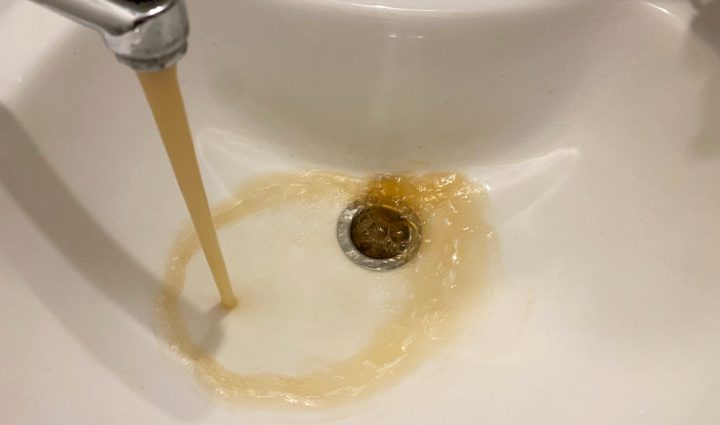
Whole House Filtration
Get clean, filtered water from every faucet in your home with comprehensive whole-house filtration systems.
Learn More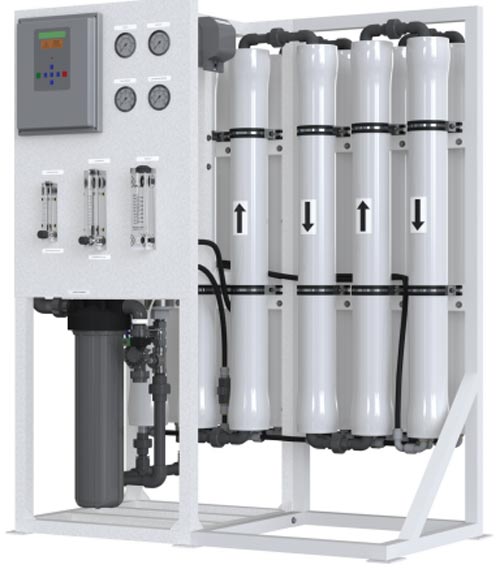
Whole House Reverse Osmosis
The ultimate in water purification for your entire home. Crystal clear water from every tap.
Learn More
Service & Repairs
Keep your water treatment system running at peak performance with our expert service and repair team.
Learn MoreFrequently Asked Questions
What does whole-home water treatment include for a Northern Minnesota house?
Whole-home water treatment for a Northern Minnesota house typically combines a water softener, an iron filter, and a drinking water system. In this region that usually means softening hard water, removing iron, manganese, and sulfur, and adding reverse osmosis for clean drinking water. A free in-home water test confirms the right combination.
Do I need water treatment for city water or a private well in Northern Minnesota?
Both city and well water in Northern Minnesota often benefit from treatment, for different reasons. Many area wells carry hard water, iron, manganese, and sulfur that cause stains and odors, while city water can still be hard or chlorinated. Testing your specific water is the only reliable way to know what your home needs.
What problems does a whole-house water treatment system solve in a Northern Minnesota home?
A whole-house system solves hard water spots, scale buildup, rust stains, and rotten egg odors throughout a Northern Minnesota home. Softening protects appliances, faucets, and pipes from scale, iron filtration stops staining and the sulfur smell, and added filtration improves water for drinking, bathing, and laundry. The result is cleaner water from every tap.
How long do residential water treatment systems last?
A quality residential water softener typically lasts 10 to 15 years or more with proper maintenance, and many systems run longer. Durability depends on water conditions and resin quality. Hellenbrand systems, for example, use premium 10 percent crosslink resin that resists breakdown better than standard 8 percent resin, helping the system last.
Is treating my home's water worth the cost in Minnesota?
For most Northern Minnesota homes the savings outweigh the cost, since hard water alone costs the average Minnesota household about 800 dollars a year in wasted soap, energy, and shortened appliance life. Treated water lets a water heater run more efficiently and reduces detergent and repair expenses, so a system often pays for itself.
What is the difference between a single tank and twin tank water softener?
A single tank softener treats water until it regenerates, while a twin tank system uses two alternating tanks so softened water is always available, even during regeneration. Range Water offers both: the Hellenbrand ProMate 6 single tank for steady demand and the ProMate 7 Twin Tank for larger households wanting uninterrupted soft water.
Which comes first, the iron filter or the water softener?
Order matters, and your test results set it. Hellenbrand's ProMate 6 manual says the softener is designed to handle up to 2 ppm of dissolved ferrous iron, and MDH says it may be necessary to filter the water before it gets to your softener to prevent fouling. The Millennium Pro RO manual then asks for feed water under 0.1 ppm iron, under 0.05 ppm manganese, no hydrogen sulfide, and hardness under 10 grains or softened, so the drinking water system goes last.
Do I have to soften the water at every tap in the house?
Not necessarily, and the two authorities differ. MDH says people often soften showers, sinks and laundry hookups, and that toilets, hose bibs, basement sinks and other cold taps typically do not need to be connected. Hellenbrand's own ProMate 6 manual recommends softening both hot and cold, with a separate hard water faucet for drinking if you want one, and outside faucets left on hard water. Your installer can tell you which lines yours is plumbed to.
Do I still need to test my water after a system is installed?
Yes. MDH says that after installing treatment you should test the treated water to make sure the treatment is working, and that if you treat your water, you test the water after it goes through treatment. Hellenbrand's Millennium Pro RO manual puts the same duty on the owner: the end user is responsible to periodically test the product water to verify the system is performing satisfactorily.
Can a water softener run right away in a house with new copper plumbing?
Wait a little if the copper is new. MDH advises that if your home has new copper plumbing, you do not run the water softener for at least the first few weeks you use water at the house, so the plumbing can form a protective mineral layer and reduce the risk of consuming excess copper. After that, MDH says to set the softener to your water's actual hardness, which Range Water's free in-home test gives you.
Is a water treatment system safe in a cabin that is shut down for the winter?
Hellenbrand's ProMate 6 manual is direct about one thing: the conditioner cannot be subject to freezing conditions. The Millennium Pro RO manual says the same for the drinking water system, that all components and tubing should be in an area not exposed to freezing temperatures, and that if winter temperatures are severe the area should be above the minimum temperature its own feed water table lists. Call before you close up, because shutting the water off is not the same as protecting the equipment.
Home Water Treatment Across Northern Minnesota
City water and well water each bring their own problems, and those problems shift from one community to the next. Choose your area below.
Crow Wing County
- Brainerd
- Pequot Lakes
- Baxter
- Crosby
- Nisswa
St. Louis County
- Duluth
- Hermantown
- Hibbing
- Biwabik
- Virginia
- Eveleth
Itasca County
- Grand Rapids
- Hill City
- Deer River
- Cohasset
- Bigfork
Beltrami County
- Bemidji
- Blackduck
- Kelliher
Carlton County
- Cloquet
- Carlton
- Moose Lake
Koochiching County
- International Falls
- Littlefork
- Northome
North Shore
- Two Harbors
- Silver Bay
- Schroeder
- Tofte
Get In Touch
Have questions about your water quality or our services? We're here to help!
Grand Rapids: +1 218-322-0575
Duluth / Hermantown: +1 833-659-5553
Pequot Lakes: +1 218-322-1793
Northern Minnesota
Grand Rapids, Duluth, Brainerd & Beyond
Monday - Thursday: 9:00 AM - 5:00 PM
Friday: 9:00 AM - 4:00 PM
Factory Authorized Dealer: