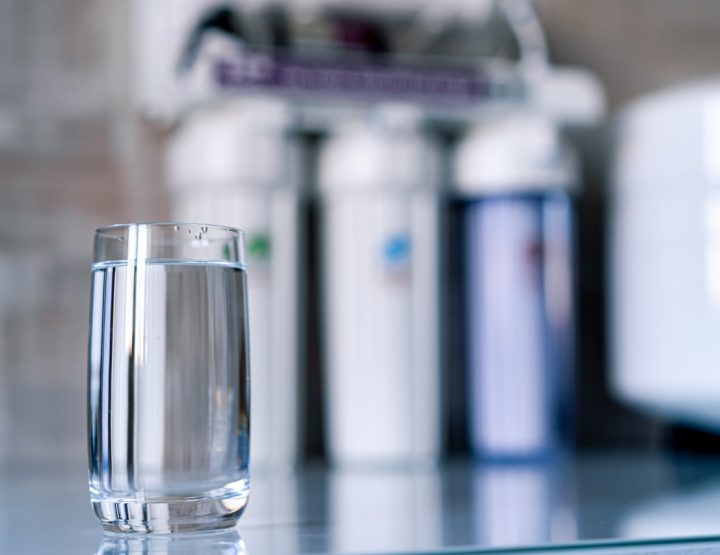
Duluth sits at the western tip of Lake Superior, surrounded by some of the most beautiful scenery in the Upper Midwest. The city draws its municipal water from Lake Superior itself, which means Duluth residents generally enjoy softer water than much of Minnesota. However, that does not mean Duluth water is free from issues. Homes throughout Duluth and the surrounding St. Louis County area, particularly those on private wells, can experience a range of water quality problems that affect daily comfort, damage plumbing and appliances, and even raise health concerns.
Whether you are in the Lakeside neighborhood, up on the hill in Piedmont, or out in the surrounding communities of Hermantown, Proctor, or Cloquet, here are five signs that your Duluth home would benefit from a water filtration system.
1. Rust Stains on Fixtures and Laundry
Orange or reddish-brown stains on your sinks, bathtubs, and toilets are one of the most obvious signs of a water quality issue. These stains are caused by elevated iron levels in your water supply, a problem that is particularly common in Northern Minnesota due to the region's iron-rich soil and bedrock. The Mesabi Iron Range, which extends across much of St. Louis County, is named for the vast iron ore deposits that lie beneath the surface, and those same deposits dissolve iron into the groundwater that feeds private wells throughout the area.
Iron staining is not just a cosmetic problem. Once iron deposits settle into porcelain, fiberglass, and grout, they become extremely difficult to remove. Standard bathroom cleaners rarely make a dent, and the stains return almost immediately after cleaning. Over time, iron accumulation can permanently discolor fixtures, requiring replacement rather than just cleaning.
Beyond your fixtures, iron in your water affects your laundry. Clothes washed in iron-rich water develop a yellow or orange tint, particularly whites and light-colored fabrics. The iron deposits bond to fabric fibers and set when exposed to the heat of the dryer, making the stains nearly impossible to remove. If you have noticed your white towels turning yellow or your light shirts developing a dingy appearance, iron in your water is very likely the cause.
An iron filtration system is specifically designed to address this problem. These systems use oxidation to convert dissolved iron into solid particles that are then captured by a filter bed. The most effective systems can reduce iron levels to virtually undetectable concentrations, eliminating staining and protecting your fixtures, laundry, and plumbing from iron damage.
2. Unpleasant Taste or Odor in Your Water
Water should taste clean and fresh. If yours tastes metallic, smells like rotten eggs, or has any other off-putting taste or odor, something in your water needs attention. Different contaminants produce different taste and smell profiles, and identifying the specific character of the problem can help pinpoint its source.
A metallic taste is typically caused by elevated levels of iron, manganese, or other dissolved metals. This is common in homes on private wells in the Duluth area, where groundwater passes through mineral-rich rock formations before reaching your well. While iron and manganese at typical concentrations are not considered health hazards, the taste they impart makes water unpleasant to drink and can affect the flavor of coffee, tea, and cooked foods.
A rotten egg or sulfur smell indicates the presence of hydrogen sulfide gas in your water. Hydrogen sulfide is produced by sulfur-reducing bacteria that thrive in certain groundwater conditions, particularly in deeper wells and areas with organic-rich soils. At low concentrations, hydrogen sulfide is primarily a nuisance, the smell is unpleasant, and the gas can tarnish silverware and corrode copper and brass plumbing components. At higher concentrations, it can become a health concern.
A chlorine taste or smell is more common in homes connected to municipal water systems. While chlorine is added to kill bacteria and make water safe to drink, many people find the taste and smell objectionable, and some are sensitive to chlorine's drying effects on skin and hair. Chlorine also reacts with organic matter in water to form disinfection byproducts that have been linked to health concerns at elevated levels.
A water filtration system can address all of these taste and odor issues. Activated carbon filtration is highly effective at removing chlorine, hydrogen sulfide, and organic compounds that affect taste and smell. For metallic tastes caused by iron and manganese, specialized filtration media or reverse osmosis systems provide thorough removal. A reverse osmosis system installed at your kitchen sink provides a final polishing step that produces exceptionally clean, great-tasting drinking water.
3. Scale Buildup and Soap Scum
While Duluth's Lake Superior water is relatively soft compared to the rest of Minnesota, many homes in the surrounding area, particularly those in St. Louis County communities that rely on groundwater rather than surface water, experience moderate to hard water. Even homes on Duluth's municipal system may notice some degree of mineral buildup, especially if the home has older galvanized plumbing that contributes dissolved minerals to the water.
The signs of hard water are distinctive and hard to miss. White, chalky deposits appear on faucets, showerheads, and around sink drains. Glass shower doors develop a cloudy, hazy film that resists cleaning. Soap does not lather as well as it should, requiring you to use more shampoo, body wash, and dish soap to get the same results. A sticky residue, soap scum, coats bathroom surfaces and seems to reappear almost immediately after cleaning.
Inside your appliances, the effects are even more consequential. Scale deposits coat the heating elements in your water heater, dishwasher, and washing machine, forcing them to work harder and use more energy. The efficiency of your water heater can decrease by up to 25 percent as scale builds up on the heating element, and the lifespan of the unit may be shortened by several years. Dishwashers leave spots and film on glasses and dishes because the hard water prevents the rinse aid and detergent from working effectively.
A water softener is the most effective solution for the homes in this area that do have hard water, which generally means those drawing from wells or groundwater systems rather than Duluth's Lake Superior supply. By removing calcium and magnesium through an ion exchange process, a water softener eliminates scale buildup, improves soap performance, and protects your plumbing and appliances from mineral damage. The investment typically pays for itself within a few years through reduced energy costs, fewer appliance repairs, and lower spending on cleaning products and detergents.
4. Dry, Itchy Skin and Brittle Hair
If you or your family members have been struggling with dry, itchy skin that does not improve despite using moisturizers, or if your hair feels rough, brittle, and difficult to manage, your water quality may be the culprit. Hard water and high mineral content in water leave a residue on your skin and hair every time you shower or bathe, creating a barrier that prevents proper hydration and interferes with the effectiveness of your personal care products.
The mineral residue from hard water prevents soap and shampoo from rinsing completely away. Instead of leaving your skin clean and your natural oils intact, hard water leaves a film that clogs pores, strips moisture, and disrupts your skin's natural pH balance. For people with sensitive skin or conditions like eczema, psoriasis, or dermatitis, hard water can significantly worsen symptoms and make management of these conditions much more difficult.
Children are particularly susceptible to the skin effects of hard water. Their skin is thinner and more permeable than adult skin, making it more vulnerable to the drying and irritating effects of mineral residue. Pediatric dermatologists have noted that eczema flares in children are frequently correlated with hard water exposure, and some studies suggest that children living in hard water areas are more likely to develop eczema in the first place.
Hair suffers similarly. Mineral deposits coat each strand, making hair feel rough and straw-like. The buildup weighs hair down, making it look flat and lifeless. Color treatments fade faster because the mineral coating interferes with the color molecules bonding to the hair shaft. Over time, the mineral buildup can weaken hair at the molecular level, leading to increased breakage and split ends.
Installing a water softener or whole-home filtration system can provide dramatic relief. Many homeowners report noticeable improvements in their skin and hair within the first week of using treated water. Skin feels softer and more hydrated, itchiness decreases, and hair regains its natural shine and manageability. For families dealing with eczema or other skin conditions, the improvement can be life-changing.
5. Frequent Plumbing Problems and Appliance Failures
If you find yourself calling a plumber more often than you think you should, or if you have had to replace a water heater, dishwasher, or other water-using appliance earlier than expected, your water quality may be the underlying cause. Hard water minerals, iron deposits, and other contaminants can accelerate the wear and failure of plumbing components and appliances in ways that are not immediately obvious.
Inside your plumbing system, mineral deposits gradually accumulate on pipe walls, valve seats, and fixture cartridges. Faucets begin to drip as mineral buildup prevents valves from sealing properly. Toilet fill valves stick and run constantly. Supply line connections develop small leaks as mineral deposits compromise the seals. These individual repairs may not seem connected, but they often share a common root cause in poor water quality.
Water heaters bear the brunt of hard water damage. As water is heated, dissolved minerals precipitate out of solution and settle to the bottom of the tank or coat the heating elements. In gas water heaters, sediment buildup on the tank bottom creates a barrier between the burner and the water, causing the unit to work harder, run longer, and eventually overheat, damaging the tank lining and shortening its life. In electric water heaters, scale-encrusted heating elements draw more energy and burn out prematurely. Homeowners with hard water typically replace water heaters 3 to 5 years earlier than those with treated water.
Dishwashers, washing machines, ice makers, humidifiers, and any other appliance that uses water are all subject to the same accelerated deterioration. The minerals coat internal components, clog small orifices, and degrade rubber seals and gaskets. The cumulative cost of premature appliance replacement and increased repair frequency can easily exceed the cost of a water treatment system within just a few years.
Take Action to Protect Your Duluth Home
If you have recognized any of these signs in your home, you are not alone. Thousands of homeowners in Duluth and the surrounding communities deal with water quality issues that affect their daily comfort, their budgets, and the longevity of their homes' plumbing and appliances. The good news is that all of these problems have effective solutions.
Range Water Conditioning in Duluth specializes in customized water treatment solutions for homes throughout the Northland. We begin with a free, comprehensive water test that identifies exactly what is in your water and at what concentrations. Based on those results, we design a treatment system tailored to your home's specific needs, whether that means a water softener, an iron filtration system, a reverse osmosis drinking water system, or a combination of technologies.
As factory-authorized Hellenbrand dealers, we install premium equipment that is built to handle the demanding water conditions of Northern Minnesota. Every system we install comes with professional setup, thorough homeowner education, and ongoing service support so you can have confidence that your water quality will remain excellent for years to come.
Do not let water quality issues diminish your quality of life or quietly damage your home. Contact Range Water Conditioning today at +1 218-322-0575 to schedule your free water test and discover how much better your water can be.
Share This Article