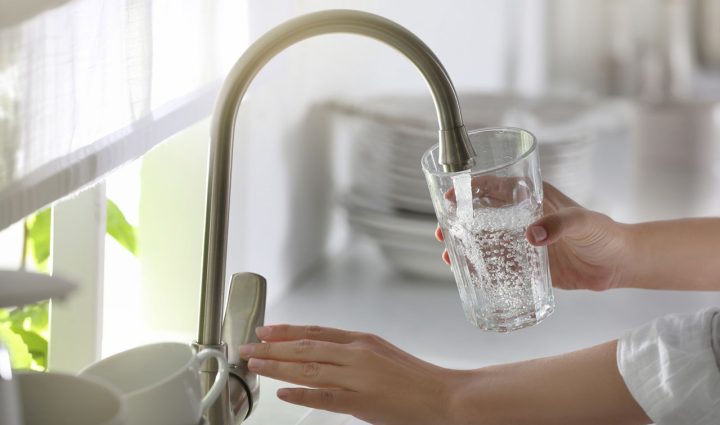
Northern Minnesota is a region defined by its water, from the headwaters of the Mississippi at Lake Itasca to the vast expanse of Lake Superior and the thousands of lakes and rivers in between. But the same geology that created this stunning landscape also creates significant challenges for the water that flows into homes and cabins throughout the region. The iron-rich bedrock, glacial deposits, peat bogs, and deep aquifers of Northern Minnesota produce groundwater with a distinctive set of quality issues that require specific treatment approaches.
Whether you are on a private well or a municipal water system, understanding the common water problems in this region is the first step toward solving them. Here are the seven most prevalent water quality issues in Northern Minnesota and the most effective solutions for each.
1. Iron Staining: The Rusty Reality
Iron is the most visible and most common water quality problem in Northern Minnesota. The region sits atop some of the richest iron ore deposits in North America, the Mesabi, Vermilion, and Cuyuna iron ranges have been mined for over a century, and the iron-rich bedrock extends throughout much of the area. As groundwater percolates through this iron-bearing rock, it dissolves iron into solution, often at concentrations well above the EPA's secondary standard of 0.3 parts per million (ppm).
It is not uncommon for wells in Northern Minnesota to produce water with iron levels of 2, 5, or even 10 ppm or more. At these concentrations, the effects are hard to miss. Orange-brown stains appear on sinks, toilets, bathtubs, and any surface that comes in regular contact with water. Laundry develops a yellow or rust-colored tint, particularly whites and light fabrics. The water itself may appear clear when first drawn from the tap but turns orange or brown after sitting exposed to air for a few minutes, as dissolved ferrous iron oxidizes into visible ferric iron particles.
Iron also causes problems you cannot see. Inside your plumbing, iron deposits accumulate on pipe walls and in valve mechanisms, gradually reducing flow and causing premature failure of faucets, valves, and other components. Iron fouls water softener resin, reducing the softener's effectiveness and requiring more frequent regeneration. Iron bacteria, organisms that feed on dissolved iron, can colonize wells and plumbing systems, producing a slimy biofilm and a distinctive musty odor.
The Fix: The most effective approach for iron removal in Northern Minnesota is a combination water softener and iron filter system. An oxidizing iron filter, which uses air injection, birm, greensand, or another oxidizing media, converts dissolved iron into solid particles that are captured by the filter bed. The system backwashes periodically to flush accumulated iron from the media. For very high iron levels or the presence of iron bacteria, a chlorination or ozone injection system may be needed upstream of the filter. A properly sized water softener installed downstream handles any residual iron along with hardness minerals.
2. Hardness That's Hard on Everything
Hard water is defined by its concentration of dissolved calcium and magnesium, minerals that are abundant in the limestone, dolomite, and glacial deposits that make up much of Northern Minnesota's subsurface geology. While the northern part of the state generally has softer water than the southern and central regions, many areas still experience moderate to hard water, particularly communities that draw from deeper bedrock aquifers rather than surface water sources.
The effects of hard water are cumulative and pervasive. Scale, the white, crusty deposit that forms when hard water is heated or evaporates, builds up inside water heaters, on heating elements, in pipes, and on every fixture in your home. Over time, this scale reduces the efficiency of your water heater by creating an insulating barrier between the heating element and the water. Studies have shown that just a quarter-inch of scale buildup can reduce water heater efficiency by up to 30 percent, significantly increasing your energy costs.
Hard water also interferes with soap and detergent performance. The calcium and magnesium ions react with soap molecules to form an insoluble curd, soap scum, instead of producing the lather needed for effective cleaning. You end up using more soap, more shampoo, more laundry detergent, and more dish soap to achieve acceptable results, driving up household costs. The soap scum itself deposits on bathroom surfaces, skin, hair, and clothing, causing a cascade of secondary problems from dry skin to dingy laundry.
The Fix: A properly sized water softener using ion exchange is the gold standard for treating hard water. The softener replaces calcium and magnesium ions with sodium ions as water passes through a bed of specially charged resin beads. The system periodically regenerates by flushing the resin with a salt brine solution that washes away the accumulated minerals and recharges the resin. Modern high-efficiency water softeners use minimal salt and water during regeneration and can be programmed to match your household's specific usage patterns for maximum efficiency.
3. Manganese: Iron's Troublesome Cousin
Manganese is chemically similar to iron and often occurs alongside it in Northern Minnesota groundwater. While less common than iron at high concentrations, manganese presents its own set of problems and requires specific treatment approaches. The EPA's secondary standard for manganese is 0.05 ppm, just one-sixth of the iron standard, because manganese causes noticeable aesthetic and practical problems at much lower concentrations.
The most obvious sign of elevated manganese is staining, but unlike iron's orange-brown color, manganese produces black, dark brown, or purple-black stains on fixtures, laundry, and dishes. These stains can be even more difficult to remove than iron stains and tend to appear particularly pronounced on lighter-colored surfaces and fabrics. Water with high manganese may also have a bitter, metallic taste that is distinct from the taste produced by iron.
Beyond aesthetics, there are health reasons to take manganese seriously. At levels above 0.05 ppm, prolonged exposure to manganese in drinking water has been associated with neurological effects, particularly in infants and young children. Research has suggested links between elevated manganese exposure and developmental effects, including impacts on learning and behavior. While the science is still evolving, the potential health implications make manganese an issue worth addressing promptly.
The Fix: Manganese requires specialized filtration systems that typically include an oxidation stage. Because manganese is more difficult to oxidize than iron, standard iron filters may not effectively remove it, particularly at higher concentrations. Systems that use chlorine injection, ozone, or air injection combined with catalytic media (such as Filox or Pyrolox) are generally the most effective at converting dissolved manganese into filterable particles. The specific treatment approach depends on the manganese concentration, pH level, and what other contaminants are present in the water.
4. Sulfur: The Rotten Egg Problem
Few water quality issues are as immediately obvious as hydrogen sulfide gas. Even at very low concentrations, hydrogen sulfide produces the distinctive rotten egg smell that can fill a room the moment you turn on a hot water faucet. The gas is produced by sulfur-reducing bacteria that thrive in the oxygen-free environment of deep wells and certain aquifer conditions common in Northern Minnesota.
Hydrogen sulfide is more than just unpleasant to smell. The gas is corrosive, attacking copper, brass, iron, and steel plumbing components. Silver jewelry and silverware tarnish rapidly in homes with hydrogen sulfide in the water. The gas can also interfere with the effectiveness of water treatment equipment, fouling softener resin and filter media. At higher concentrations, hydrogen sulfide can cause nausea, headaches, and eye irritation, though concentrations this high are relatively rare in residential water supplies.
The smell is often more pronounced in hot water than cold because heating water drives the dissolved gas out of solution and into the air. This is why the rotten egg smell may be strongest in the bathroom during a hot shower or at the kitchen sink when running hot water. Some homeowners mistakenly blame the water heater for the smell, but the source is almost always the well water itself. In some cases, the magnesium anode rod in the water heater can react with sulfates in the water to produce additional hydrogen sulfide, making the hot water smell worse than the cold.
The Fix: Effective hydrogen sulfide treatment typically involves aeration combined with activated carbon filtration. An aeration system introduces air into the water, which oxidizes the hydrogen sulfide gas and allows it to be vented or captured. Activated carbon downstream adsorbs any remaining sulfide along with other taste and odor compounds. For higher concentrations, chlorination or ozone injection systems provide more aggressive oxidation. In cases where the anode rod in the water heater is contributing to the problem, switching from a magnesium anode to an aluminum or powered anode can help reduce hot water odor.
5. Low pH and Corrosive Water
The ideal pH range for drinking water is 6.5 to 8.5, but many wells in Northern Minnesota produce water with pH levels below this range. Low pH water, acidic water, is common in areas with sandy soils, peat deposits, and certain types of bedrock that lack the alkaline minerals needed to buffer the water's natural acidity. Rainwater itself is slightly acidic (typically around pH 5.5), and in areas where the soil and rock do not neutralize this acidity as the water percolates into the aquifer, the groundwater remains acidic.
Acidic water is corrosive. It attacks metal plumbing components, dissolving copper from pipes, lead from solder joints (in older homes), and zinc from galvanized steel pipe. The telltale sign of corrosive water is blue-green staining on fixtures served by copper pipes, the staining is caused by dissolved copper leaching out of the pipe walls. In addition to the staining, the corrosion gradually thins pipe walls, eventually leading to pinhole leaks and premature pipe failure.
The health implications of corrosive water depend on what materials it contacts. In homes with copper pipes, elevated copper levels in drinking water can cause gastrointestinal symptoms. In older homes with lead solder or lead service lines, acidic water can dissolve lead into the drinking water at concentrations that pose serious health risks, particularly for children. Even in newer homes, corrosive water shortens the lifespan of plumbing fixtures, water heaters, and appliances.
The Fix: A calcite neutralizer is the most common and effective solution for low pH water. These systems pass water through a bed of crusite, calcite, or a blend of calcium and magnesium carbonates that dissolve slowly into the water, raising its pH to the neutral range. The process is entirely chemical-free, the calcite media is a naturally occurring mineral that adds beneficial calcium to the water while neutralizing acidity. The media needs to be replenished periodically as it dissolves, but otherwise the system requires minimal maintenance. For very low pH levels (below 5.5), a soda ash or caustic soda injection system may be needed to bring the pH into range before the calcite neutralizer can do its work.
6. Tannins: Nature's Brown Tint
If your water has a tea-colored tint and a slightly musty or earthy taste, tannins are likely the cause. Tannins are organic compounds produced by the decomposition of vegetation, leaves, bark, roots, and other plant material. They are particularly common in areas with abundant wetlands, bogs, and densely forested landscapes, all of which characterize much of Northern Minnesota. As water passes through organic-rich soils and peat deposits, it picks up tannins and carries them into the groundwater.
Tannins are not considered a health hazard at the levels typically found in well water, but they cause significant aesthetic problems. The brownish-yellow discoloration makes water look unappetizing and can stain laundry, fixtures, and dishes. Tannins can interfere with the performance of other water treatment equipment, fouling softener resin and reducing the effectiveness of iron filters. The taste imparted by tannins ranges from slightly earthy to distinctly bitter, depending on the concentration and the specific type of organic compounds present.
Tannins can also create practical problems in the household. They discolor ice cubes, affect the appearance and taste of beverages made with the water, and can produce an unpleasant odor when the water is heated. In some cases, tannin-rich water develops a biofilm in pipes and fixtures that provides a food source for bacteria, potentially contributing to bacterial growth in the plumbing system.
The Fix: Tannin removal requires specialized treatment because tannins are dissolved organic molecules that pass through standard sediment and carbon filters. The most effective approach uses an anion exchange resin specifically designed to capture tannin molecules. These systems operate similarly to a water softener but use a different type of resin and regenerate with a salt brine solution. For homes with both tannins and hard water, a tannin filter is typically installed upstream of the water softener to prevent tannins from fouling the softener resin. In some cases, a combination of oxidation and activated carbon filtration can also reduce tannin levels, though anion exchange generally provides the most thorough removal.
7. Seasonal Bacteria and Turbidity
Northern Minnesota's dramatic seasonal changes create water quality challenges that vary throughout the year. Spring is the most problematic season for many well owners. As snow melts and the frozen ground thaws, large volumes of surface water flow across the landscape, carrying sediment, bacteria, and other contaminants. This surface water can infiltrate well systems through compromised well caps, cracked casings, inadequate surface seals, or saturated soils that allow surface water to reach the aquifer.
The result is often a spike in turbidity, cloudy or murky water caused by suspended sediment particles, and positive tests for coliform bacteria. Total coliform bacteria are indicator organisms that signal the potential presence of disease-causing pathogens. A positive coliform test does not necessarily mean the water is making you sick, but it indicates that a pathway exists for surface water and its associated contaminants to reach your well water, and that pathway could carry harmful organisms like E. coli, Giardia, or Cryptosporidium.
Heavy summer rainstorms can cause similar problems, particularly for shallow wells or wells in areas with sandy soils that allow rapid infiltration. Fall leaf decomposition can contribute organic matter and tannins to surface water that may find its way into groundwater. Even in winter, ice shifts and frost heave can damage well components, creating new entry points for contaminants when the spring thaw arrives.
The Fix: Protecting your water from bacteria and turbidity requires a two-pronged approach. First, a sediment filter installed at the point of entry captures suspended particles and reduces turbidity, protecting downstream treatment equipment and preventing sediment from reaching your fixtures. Second, a UV (ultraviolet) sterilization system provides chemical-free disinfection by exposing water to UV light at a wavelength that destroys the DNA of bacteria, viruses, and other microorganisms. UV systems are highly effective, low-maintenance, and add nothing to the water, no chemicals, no taste, no odor. For well owners experiencing recurring bacterial contamination, it is also important to have the well itself inspected for structural integrity, as repairs to the well cap, casing, or surface seal may be needed to eliminate the source of contamination.
Taking Action
If you recognize any of these water problems in your Northern Minnesota home or cabin, the most important first step is a comprehensive water test. A professional water test measures all of the key parameters, iron, manganese, hardness, pH, sulfide, tannins, total dissolved solids, bacteria, and more, giving you a complete picture of what is in your water and at what concentrations. Without testing, any treatment solution is a guess, and guessing often means spending money on equipment that does not address your actual problems or missing issues that continue to cause damage.
Range Water Conditioning offers free, comprehensive water testing for homeowners throughout Northern Minnesota, from the Iron Range to the Brainerd Lakes area and everywhere in between. Our water treatment specialists understand the unique water quality challenges of this region because we live and work here. We can interpret your test results, explain your options in plain language, and design a treatment system that addresses your specific combination of water quality issues.
As factory-authorized Hellenbrand dealers, we install premium equipment that is built to handle the demanding conditions of Northern Minnesota water. Every system is professionally installed, thoroughly tested, and backed by comprehensive warranties and ongoing service support. Contact us today at +1 218-322-0575 to schedule your free water test and take the first step toward clean, clear, great-tasting water in your home.
Share This Article