Understanding Minnesota's Hard Water Challenge
Minnesota consistently ranks among the states with the hardest water in the nation, with 85 percent of households dealing with some degree of hard water. The state's unique geological history, particularly the limestone and dolomite bedrock deposited by ancient glaciers, naturally enriches groundwater with high levels of calcium and magnesium. These minerals, while not harmful to drink, can wreak havoc on your plumbing, appliances, and daily comfort if left untreated.
Whether you live in the Twin Cities metro, a Greater Minnesota community, or a rural area served by a private well, understanding your local water quality is the first step toward protecting your home and improving your quality of life. This comprehensive guide breaks down water quality across the state, providing city-by-city hardness data, explaining the real costs of hard water, and outlining the most effective treatment solutions available.
What Makes Minnesota Water So Hard?
To understand why Minnesota water is so hard, you need to look at what lies beneath the surface. Over the past two million years, massive glaciers advanced and retreated across the state multiple times. As these ice sheets moved, they ground up bedrock and deposited enormous quantities of limestone, dolomite, and other calcium-and-magnesium-rich minerals across the landscape. Today, these glacial deposits form the soil and bedrock through which most of Minnesota's groundwater flows.
As rainwater and snowmelt percolate through the soil and into the aquifers that supply both private wells and municipal water systems, they dissolve calcium and magnesium from the surrounding rock. The longer the water is in contact with these mineral-bearing formations, and the more mineral-rich the formations are, the harder the water becomes. This is why different parts of the state have dramatically different hardness levels, the geology varies significantly from region to region.
Southern and central Minnesota, where the glacial deposits are particularly thick and rich in carbonate minerals, tend to have the hardest water in the state. Northern Minnesota generally has somewhat softer water, though many communities still experience moderate to hard conditions. Cities that draw water from surface sources like rivers and lakes, such as Duluth (which uses Lake Superior water), tend to have softer water than those that rely on groundwater wells.
The Real Cost of Hard Water in Minnesota
Hard water is often dismissed as a minor inconvenience, some spots on the dishes, a little extra soap needed in the shower. But the actual financial impact on a Minnesota household is far more significant than most people realize. When researchers and water treatment professionals calculate the true cost of hard water, the numbers are eye-opening:
- 25 percent shorter appliance lifespan: Water heaters, dishwashers, washing machines, and other water-using appliances wear out significantly faster when operating with hard water. Scale buildup on heating elements and internal components accelerates deterioration and increases the frequency of repairs and replacements.
- $800 or more in yearly costs from scale damage: When you add up increased energy bills, more frequent appliance repairs, additional cleaning product expenses, and premature equipment replacement, hard water can cost the average Minnesota household $800 to $1,200 per year.
- 29 percent more energy for water heaters with scale buildup: Scale acts as an insulator on heating elements, forcing your water heater to work harder and longer to heat the same amount of water. This translates directly into higher monthly utility bills.
- Up to 30 percent more soap and detergent usage: Hard water reduces the effectiveness of soaps and detergents, requiring you to use significantly more product to achieve the same results.
- More frequent plumbing repairs: Mineral deposits accumulate inside pipes, valves, and fixture cartridges, leading to reduced water pressure, dripping faucets, and eventually pipe failure.
Minnesota Water Hardness Scale: Understanding the Numbers
Water hardness is measured in grains per gallon (GPG) or parts per million (PPM), also expressed as milligrams per liter (mg/L). One grain per gallon equals approximately 17.1 parts per million. Here is how the standard hardness classifications break down and what each level means for your home:
| Classification | GPG | PPM / mg/L | Impact on Your Home |
|---|---|---|---|
| Soft | 0 - 3.5 | 0 - 60 | Minimal issues; no treatment typically needed |
| Moderately Hard | 3.5 - 7 | 60 - 120 | Some soap scum and mineral deposits begin to appear |
| Hard | 7 - 10 | 120 - 180 | Significant scaling, reduced soap effectiveness, efficiency loss |
| Very Hard | 10+ | 180+ | Severe damage to plumbing and appliances; treatment strongly recommended |
The vast majority of Minnesota communities fall into the "hard" or "very hard" categories. Many communities in southern and central Minnesota have water hardness levels above 20 GPG, which is extremely hard by any standard. Even communities generally considered to have "better" water often test at levels that are well above the threshold where treatment becomes beneficial.
City-by-City Water Hardness Analysis
Twin Cities Metro Area
Minneapolis (approximately 15 GPG): Minneapolis draws its water from the Mississippi River and supplements with groundwater wells. Despite surface water treatment, the city's water is classified as hard, with typical hardness levels around 15 grains per gallon. Residents throughout the city commonly report water spots on dishes, soap scum in showers, and the other classic symptoms of hard water. A water softener is recommended for most Minneapolis households.
St. Paul (approximately 12 GPG): St. Paul's water comes from a chain of lakes in the Mississippi River watershed, treated at the McCarrons Water Treatment Plant. At around 12 GPG, St. Paul's water is moderately hard to hard, not as extreme as some Greater Minnesota communities, but still high enough to cause noticeable scaling, reduced soap performance, and the gradual accumulation of damage to plumbing and appliances. Most St. Paul homeowners would benefit from a water softener.
Bloomington (approximately 18 GPG): Bloomington draws from groundwater wells that tap into the Prairie du Chien-Jordan aquifer, one of the major bedrock aquifers in the Twin Cities metro. The limestone and dolomite formations that compose this aquifer produce water with hardness levels around 18 GPG, firmly in the "very hard" category. Bloomington residents commonly experience aggressive scale buildup, significant soap waste, and accelerated wear on water-using appliances.
Greater Minnesota Cities
Rochester (approximately 22 GPG): Rochester's water comes from deep bedrock wells that draw from the same carbonate aquifer system that underlies much of southeastern Minnesota. At 22 GPG, Rochester has some of the hardest water in the state. The extremely high mineral content creates aggressive scaling that can significantly shorten the lifespan of water heaters, dishwashers, and other appliances. Water softening is essentially mandatory for protecting your home and maintaining reasonable operating costs for your appliances and plumbing.
Mankato (approximately 25 GPG): Mankato sits atop thick deposits of limestone and dolomite bedrock, and its groundwater reflects this geology with some of the hardest water in Minnesota at approximately 25 GPG. At this level, the effects of hard water are severe and unmistakable. Scale buildup is aggressive, soap performance is dramatically reduced, and untreated water can cause rapid deterioration of plumbing components and appliances. Water softening is not optional in Mankato, it is a necessity for protecting your home.
Duluth (approximately 4 GPG): Duluth is the notable exception to Minnesota's hard water story. The city draws its water from Lake Superior, which is one of the purest large freshwater sources in the world. At approximately 4 GPG, Duluth's water is classified as soft to moderately hard, the softest municipal water in the state. However, homes in the surrounding communities that rely on groundwater wells rather than Lake Superior water may experience significantly harder conditions. Additionally, many Duluth homes have other water quality concerns such as iron, manganese, and lead from older plumbing infrastructure.
Buffalo (approximately 20 GPG): Buffalo, located in Wright County west of the Twin Cities, draws its water from deep wells that produce very hard water at approximately 20 GPG. Like many communities in central Minnesota, Buffalo's geology produces water that is rich in calcium and magnesium and requires treatment to protect homes from the damaging effects of mineral buildup.
Waseca (approximately 15 GPG): Located in south-central Minnesota, Waseca's groundwater-sourced municipal supply tests at approximately 15 GPG, solidly in the hard water range. While not as extreme as some neighboring communities, Waseca's water is hard enough to cause all of the typical hard water problems including scale buildup, reduced soap performance, and accelerated appliance wear.
Regional Water Hardness Patterns
Northern Minnesota (4 - 15 GPG): The northern part of the state generally has the softest water in Minnesota, though "soft" is relative, most communities still fall in the moderately hard to hard range. The Precambrian bedrock of the Canadian Shield and the iron-bearing formations of the Iron Range produce water that is lower in calcium and magnesium but may be high in iron, manganese, and other minerals. Communities on Lake Superior have the softest water, while those on groundwater wells vary depending on local geology.
Southern Minnesota (18 - 30 GPG): Southern Minnesota has some of the hardest water in the entire United States. The thick deposits of Paleozoic limestone and dolomite that underlie the region dissolve enormous quantities of calcium and magnesium into the groundwater. Many communities in this part of the state have water hardness levels above 20 GPG, and some exceed 30 GPG. Water softening is virtually universal among homeowners in southern Minnesota who understand the costs of leaving hard water untreated.
Central Minnesota (12 - 20 GPG): Central Minnesota falls between the extremes of the north and south, with most communities experiencing hard to very hard water in the 12 to 20 GPG range. The geology is transitional, with glacial deposits overlying a mix of sedimentary and igneous bedrock. Water hardness varies more from community to community in this region than in the south, making local water testing particularly important for understanding your specific conditions.
Common Water Issues Beyond Hardness
Iron and Manganese
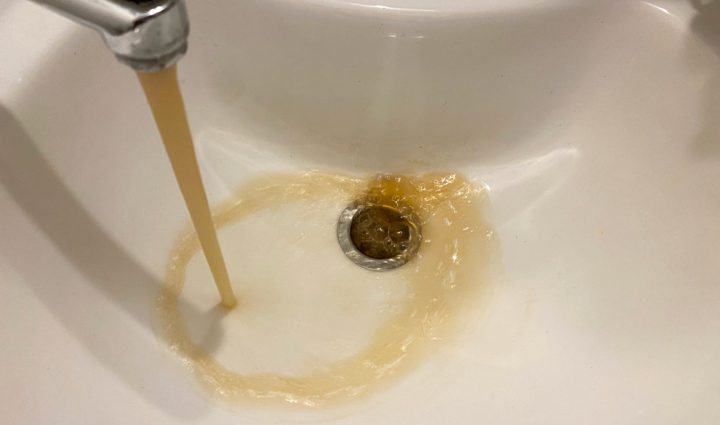
Iron and manganese are among the most common water quality issues in Minnesota, particularly in Northern Minnesota where the iron-rich bedrock of the Mesabi Range and surrounding formations dissolves these minerals into the groundwater. Iron produces orange-brown staining on fixtures and laundry, while manganese creates black or dark brown stains. Both can affect the taste and appearance of water and cause damage to plumbing and appliances. Many Minnesota homes require iron and manganese filtration in addition to water softening.
Sulfur Compounds
Hydrogen sulfide gas, which produces the distinctive rotten egg smell, is common in deeper wells and certain geological formations across Minnesota. The gas is produced by sulfur-reducing bacteria and can corrode plumbing components, tarnish silverware, and make water unpleasant to use. Treatment typically involves aeration or chemical oxidation followed by filtration to remove the sulfur compounds.
Chlorine and Chloramines
Municipal water systems in Minnesota use chlorine or chloramines to disinfect water and maintain safety throughout the distribution system. While these chemicals serve an important public health function, many residents find the taste and smell of chlorinated water objectionable. Chlorine can also dry skin and hair and has been linked to the formation of disinfection byproducts. Activated carbon filtration effectively removes chlorine and chloramines, and a whole-home system provides treated water at every tap in the house.
Solutions for Minnesota's Hard Water
Water Softeners: The Gold Standard
For the vast majority of Minnesota homes, a water softener is the most important and impactful water treatment investment. Water softeners use ion exchange to remove calcium and magnesium from the water supply, eliminating the root cause of scale buildup, soap waste, and the cascade of problems that hard water creates. Modern high-efficiency softeners are reliable, economical to operate, and require minimal maintenance beyond periodic salt addition. When properly sized for your home's water usage and hardness level, a quality water softener will protect your plumbing and appliances, reduce your household expenses, and improve your daily comfort for 10 to 15 years or more.
Reverse Osmosis Systems
A reverse osmosis (RO) system provides the ultimate in drinking water quality by forcing water through a semi-permeable membrane that removes virtually all dissolved contaminants, including minerals, metals, chemicals, and microorganisms. RO systems are typically installed at the kitchen sink as a point-of-use system, providing exceptionally clean water for drinking and cooking. In Minnesota, where water may contain a combination of hardness minerals, iron, manganese, nitrates, and other contaminants, an RO system serves as an excellent complement to a whole-home water softener.
Iron Filtration Systems
For homes with elevated iron and manganese levels, a common issue throughout Northern Minnesota, a dedicated iron filtration system is essential. These systems use oxidation and filtration to convert dissolved iron and manganese into solid particles that are captured by a filter bed. The most effective systems combine air injection or chemical oxidation with catalytic media to handle even the high iron levels commonly found in Iron Range well water.
Water Testing: Your First Step
Before investing in any water treatment equipment, you need to know exactly what is in your water. A comprehensive water test is the foundation of any effective treatment plan. A professional water test should cover the following parameters at minimum:
- Hardness: Calcium and magnesium levels that determine softening needs
- Iron: Both dissolved (ferrous) and oxidized (ferric) iron
- Manganese: Often present alongside iron and requiring specific treatment
- pH: Affects corrosivity, treatment effectiveness, and system design
- Total Dissolved Solids (TDS): Overall mineral content of the water
- Nitrates: Particularly important for homes with private wells in agricultural areas
- Bacteria: Coliform and E. coli testing for private well users
- Sulfide: Hydrogen sulfide that causes rotten egg odor
Testing should be performed by a qualified professional using laboratory-grade methods. Homeowner test kits available at hardware stores can provide a rough indication of hardness and a few other parameters, but they lack the precision and comprehensiveness needed to properly design a treatment system. Professional testing ensures accurate results that translate into the right treatment recommendations.
Choosing the Right Water Treatment Company
Not all water treatment companies are created equal, and choosing the right one is just as important as choosing the right equipment. Here are some things to look for and some red flags to avoid:
Good signs:
- Offers free, comprehensive water testing before making recommendations
- Takes time to explain your test results and treatment options in plain language
- Recommends equipment based on your specific water test results, not a one-size-fits-all package
- Is a factory-authorized dealer for reputable equipment brands
- Provides professional installation and thorough homeowner training
- Offers ongoing service and support after installation
- Has strong local references and reviews from customers in your area
- Is transparent about pricing with no hidden fees
Red flags to avoid:
- High-pressure sales tactics or "today only" pricing
- Recommendations made without testing your water first
- Refusing to explain what equipment they are proposing and why
- No local service support, sells equipment and disappears
- Uses scare tactics about contaminants without providing test data
- Prices that seem dramatically lower or higher than other quotes
The Range Water Conditioning Advantage
Range Water Conditioning serves homeowners throughout Minnesota with a straightforward, honest approach to water treatment. We start every customer relationship with a free, comprehensive water test because we believe you deserve to know exactly what is in your water before spending a dime on treatment. Our water specialists take the time to explain your results, discuss your options, and recommend a system that matches your specific needs and budget.
As factory-authorized Hellenbrand dealers, we install premium water treatment equipment that is engineered for durability, efficiency, and performance. Hellenbrand systems are designed and manufactured in the United States and represent some of the finest water treatment technology available. Every system we install is backed by strong manufacturer warranties and our commitment to ongoing service and support.
We serve customers from the Iron Range to the Brainerd Lakes area, from Duluth to the Twin Cities corridor, and everywhere in between. Our technicians understand the specific water quality challenges of each region because we live and work in these communities ourselves.
Frequently Asked Questions
How hard is Minnesota's water compared to other states?
Minnesota has some of the hardest water in the United States, consistently ranking in the top 10 hardest water states. The state average is significantly higher than the national average, and many communities in southern and central Minnesota have water that is among the hardest in the country. States with similar hard water challenges include Indiana, Wisconsin, Iowa, and Arizona.
What is the average water hardness in Minnesota?
The statewide average is difficult to pinpoint because of the wide variation across regions, but most estimates place it in the range of 12 to 18 GPG for municipal water systems. Individual communities range from as low as 4 GPG (Duluth) to over 25 GPG (Mankato and parts of southern Minnesota). Private wells can test even higher depending on local geology.
How often should I test my water?
Homes on private wells should test annually for bacteria and nitrates and every two to three years for a comprehensive mineral and contaminant panel. Homes on municipal water should test whenever they notice changes in water taste, appearance, or behavior, or when considering water treatment equipment. If you already have treatment equipment, periodic testing helps verify that the system is performing correctly.
Will a water softener increase my water bill?
A water softener uses a small amount of water during its regeneration cycle, typically 40 to 65 gallons per regeneration depending on the system. High-efficiency models regenerate only when needed and use the minimum water necessary. The small increase in water usage is typically more than offset by savings in energy costs (from reduced scale in the water heater), cleaning product savings, and extended appliance and plumbing life.
What does water softener salt cost?
Water softener salt costs approximately $5 to $7 per 40-pound bag at most hardware and home improvement stores in Minnesota. A typical household uses one to two bags per month, making the annual salt cost between $60 and $170, a modest expense compared to the $800 or more per year that hard water damage costs the average Minnesota home.
Take Action Against Hard Water Today
Whether you are a new Minnesota homeowner just discovering the challenges of hard water or a longtime resident who has been living with these problems for years, there has never been a better time to take action. Modern water treatment technology is more effective, more efficient, and more affordable than ever, and the return on investment is compelling by any measure.
Contact Range Water Conditioning today at +1 218-322-0575 to schedule your free water test. We will analyze your water, explain your results, and help you choose the right treatment solution for your home and budget. Your water, and your home, deserve better.
Share This Article